



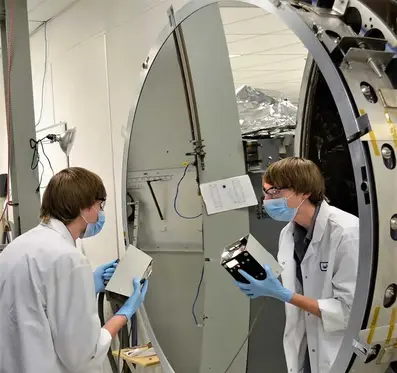
Typically, the reconditioning of reflective optics is needed because a coating naturally degrades over time. Even a high-quality optical mirror coating is not permanent. The underlying glass substrate usually remains in excellent condition for many years, but the thin aluminum coating will lose performance from damage caused by environmental factors.
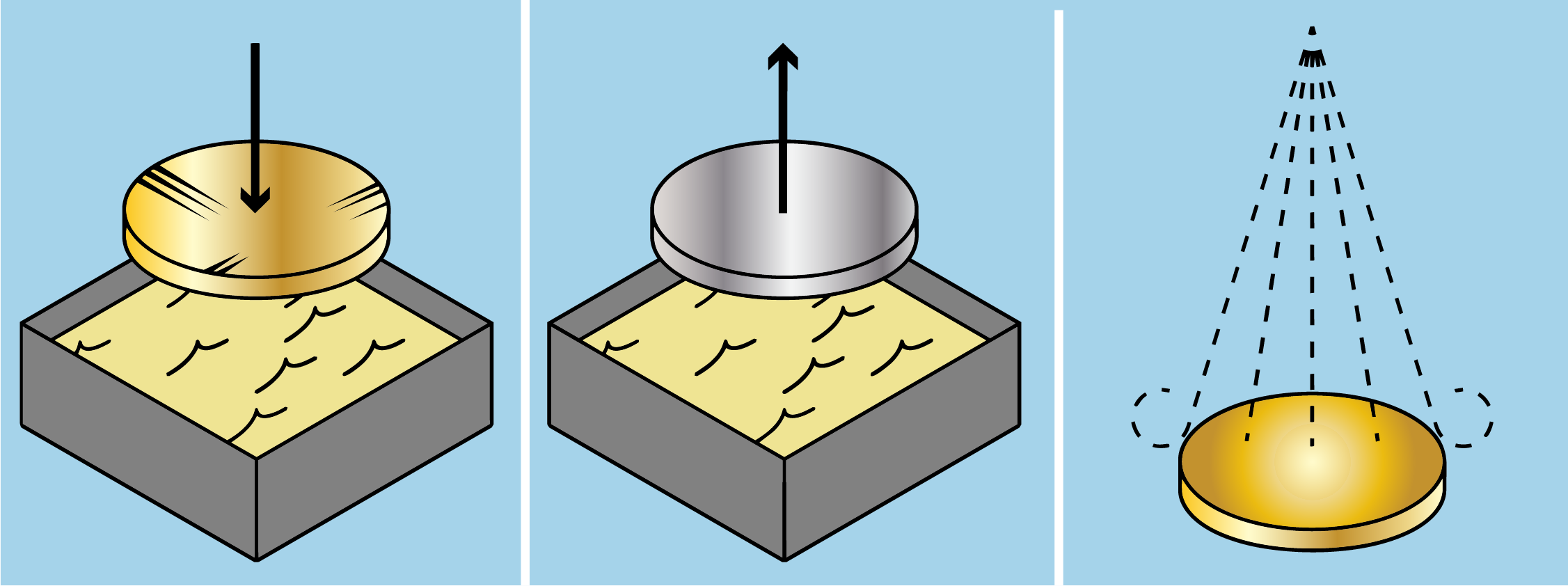
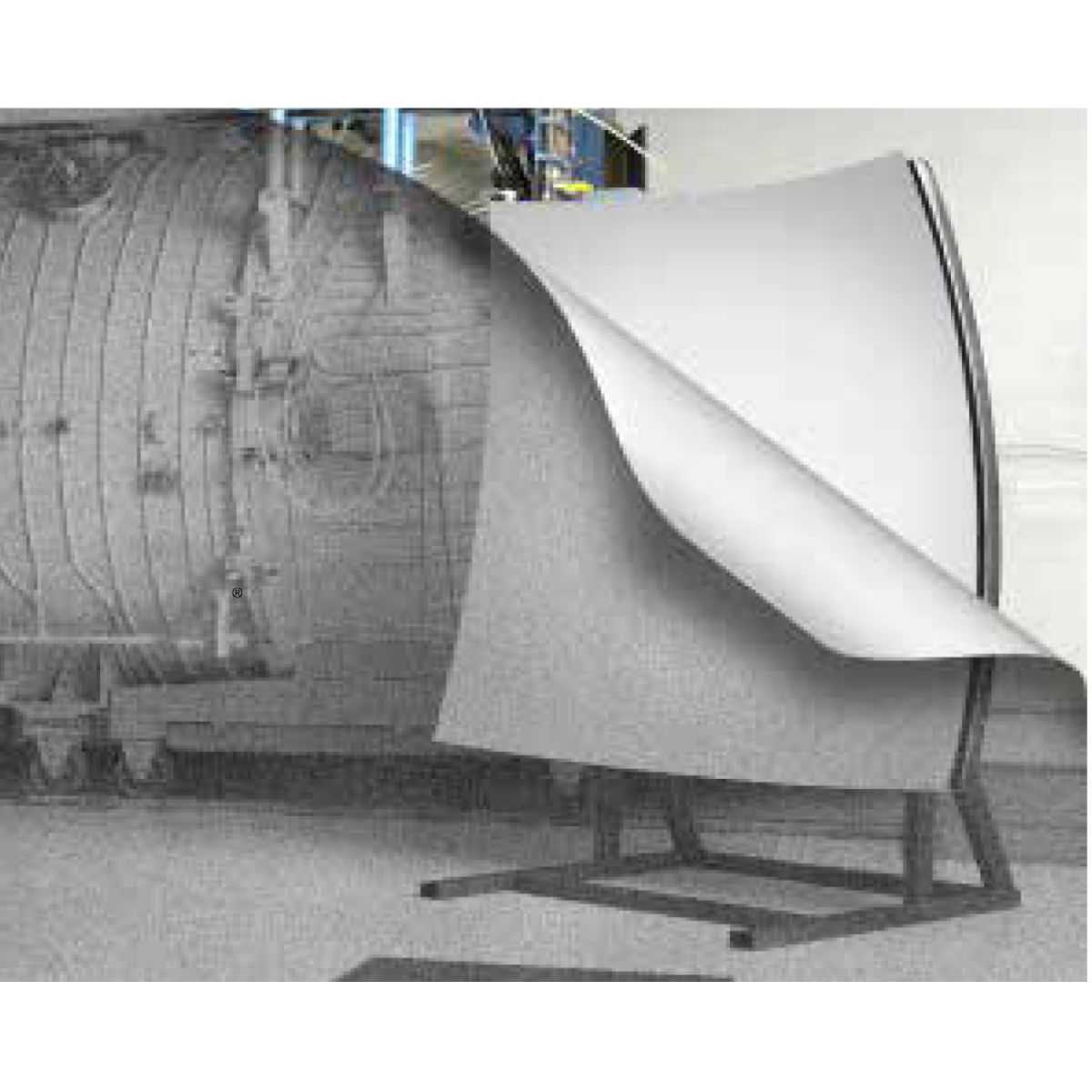 Maximum Material Dimensions: 49” x 56”
- Current Maximum Material Weight: Approximately 75–100 lbs. We utilize a 3–4 person team for safe handling of your material.
Our engineering team will evaluate project’s success feasibility and provide you with recommendations for clear, next steps.
Our objective is to provide clear communication, realistic technical guidance, and a process path aligned with the value and requirements of your optic.
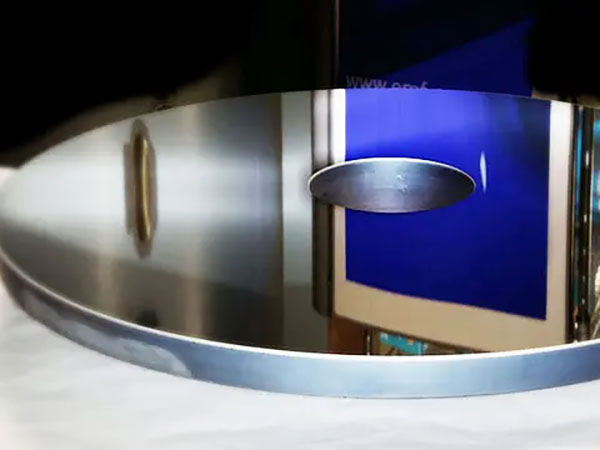 Omega Optical provides thin film coating removal and substrate recovery services for optical components ranging from small precision parts to large meter-class optics. Our stripping processes are engineered to remove existing coatings while preserving substrate integrity and preparing components for recoating or continued use. We have successfully provided support for demanding optical applications where component preservation, dimensional stability, and surface quality are critical.
These services are significantly more cost-effective and faster (1–2-week turnaround times) than alternative recovery methods.
"Optical coating removal is not a “one-size-fits-all” process and inherently carries varying degrees of technical risk."
For these reasons, all stripping work is reviewed and quoted on a case-by-case basis.
Each optic, substrate material, coating system, and performance requirement must be individually evaluated before processing. This review process allows us to determine process suitability, identify technical risk, and establish realistic expectations before work begins.
As is accepted practice, our process uses witness samples of smaller glass that are then measured post-coating to verify the mirror’s spectral performance.
Our team has extensive experience handling sensitive optical components and thin film systems. We understand the balance between coating removal effectiveness and substrate preservation, and we approach each project with appropriate technical scrutiny and process control.
 If you are considering optical coating removal, recoating, refurbishment, or recovery of high-value optics, we encourage you to contact us for technical review.
Please share the following information with your request:
- Optic dimensions
- Substrate material
- Existing coating type
- Application/environment
- Photographs of the component
- Performance or cosmetic requirements
- Desired post-strip outcome


Solution
Design & Engineering
Our commitment to finding the right solutions for difficult problems means that we are capable of doing what other engineers cannot. Some say we bend physics and solve the unsolvable. Can we? Maybe. What we know we can do is this: We ask questions and we dig, because sometimes the solutions people believe they need only scratch the surface.

Solution
Optical Coatings
Omega coating heritage dates back to 1936, and spans a wide range of technologies: Sunglasses to space-borne sun-visors; halogen light bulbs to COVID-fighting UV-C lamps, supermarket scanners to modern printers, astronomical mirrors to prestigious art installations to entertainment optics: if an application requires a precision or decorative coatings we surely have a proven solution.

Solution
Grating Manufacturing
We have the diffractive optics trifecta of multiple Ruling Engines, Holographic Mastering, and Lithographic exposure to create diffractive elements. Our in-house design and manufacturing processes provide standard or custom gratings for a range of applications, in both Original and Replicated formats.

Solution
Metrology & Quality Assurance
We believe you cannot confidently make what you cannot measure, and therefore have invested in standard and custom metrology and inspection stations. Certified ISO 9001:2015. Lean manufacturing, including 6 Sigma methodologies and approaches to problem solving.